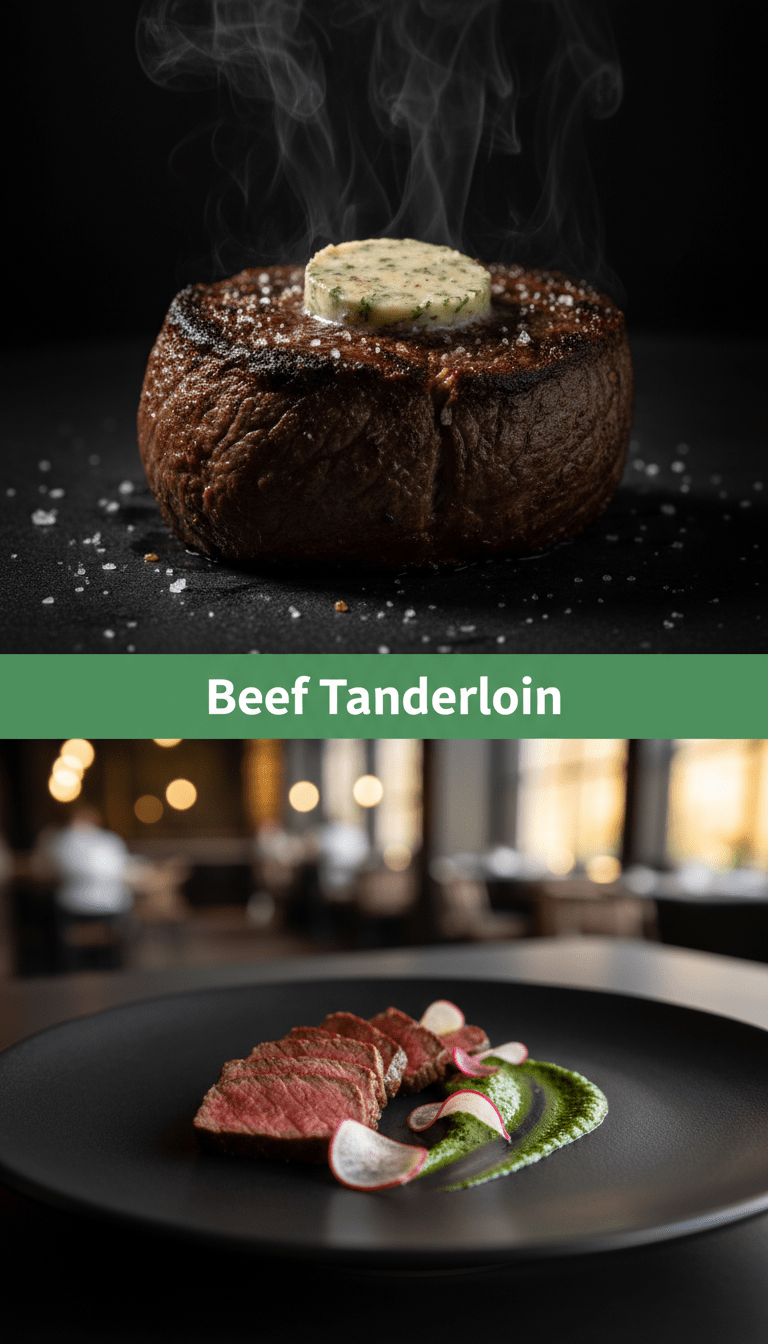
Hello, fellow food lovers! Are you looking to impress someone special, or maybe you just want to treat yourself to something truly magnificent without spending hours wrestling with complicated techniques? Well, you’ve come to the right place! Today, we are diving into the king of roasts: Beef Tenderloin.
This cut of meat is famous for being incredibly tender—it practically melts in your mouth. Forget dry, boring roasts; my method ensures a perfectly rosy pink center every single time. It’s surprisingly simple, and I promise you’ll feel like a five-star chef when you pull this out of the oven!
Quick Facts for Your Kitchen Adventure
Here’s the lowdown on how quickly you can get this masterpiece on the table:
Prep time: 20 minutes
Cooking time: Varies (usually 30–45 minutes for medium-rare)
Total time: About 1 hour 5 minutes (plus resting)
Serving size: 6–8 people
Why You’ll Love This Recipe
Honestly, what’s not to love?
- Unbelievable Tenderness: Tenderloin is inherently tender, and this simple roasting technique locks in all that juicy flavor.
- Impressive Results, Minimal Effort: It looks stunning, but the actual hands-on work is minimal. It’s a showstopper made easy!
- Perfect for Any Occasion: Whether it’s Christmas, an anniversary, or just a fancy Tuesday night, this roast fits the bill.
Gather Your Goodies: Ingredients List
The beauty of beef tenderloin is that it shines with just a few quality ingredients. Don’t skimp on the salt and pepper—they are your best friends here!
- 1 (about 3-pound) center-cut beef tenderloin roast (trimmed)
- 2 tablespoons olive oil
- 2 tablespoons coarse kosher salt (or sea salt)
- 1 tablespoon freshly cracked black pepper
- 1 teaspoon garlic powder
- 1 teaspoon dried thyme
- 1/2 teaspoon onion powder
- 1/4 cup Dijon mustard (optional, but highly recommended for the crust!)
- Butcher’s twine (if your roast isn’t already tied)
Step-by-Step Instructions: Roasting Royalty Made Simple
We’re going to sear this beauty first to create a flavorful crust, and then roast it gently until it reaches that perfect internal temperature.
Step 1: Prep and Season Like a Pro
1. Bring it to Temp: Take the beef out of the refrigerator about 1 to 2 hours before you plan to cook it. This is crucial for even cooking! If it goes into the oven cold, the outside will overcook before the inside warms up.
2. Tie it Up (If Needed): If your roast isn’t pre-tied, use butcher’s twine to tie it every 1.5 inches. This helps it keep a uniform, round shape for even roasting.
3. The Flavor Rub: In a small bowl, mix the kosher salt, black pepper, garlic powder, thyme, and onion powder.
4. Coat Everything: Rub the entire roast evenly with the olive oil first. Then, generously coat it all over with your spice mixture. Don’t be shy!
Step 2: The Sizzle Factor (Searing)
1. Heat the Pan: Place a large, oven-safe skillet (cast iron is ideal) over medium-high heat. Let it get nice and hot.
2. Sear Hard: Carefully place the seasoned tenderloin in the hot skillet. Sear each side—top, bottom, and both long sides—for about 2 to 3 minutes per side until you have a deep, golden-brown crust. This process builds amazing flavor!
Step 3: The Mustard Hug (Optional Glaze)
1. Brush it On: Once seared, remove the skillet from the heat. Brush the Dijon mustard lightly all over the seared beef. This isn’t for a strong mustard flavor; it just helps the exterior brown beautifully and locks in moisture.
Step 4: Gentle Roasting
1. Oven Time: Transfer the skillet directly into a preheated oven at 400°F (200°C).
2. Temperature Check is Key: This is where precision matters. You must use a meat thermometer inserted into the thickest part of the roast, avoiding bone or fat pockets.
* For Medium-Rare (the ideal), pull it out when the internal temperature reads 125°F to 130°F (52°C to 54°C).
* For Medium, aim for 135°F to 140°F (57°C to 60°C).
3. Resting Magic: Once it hits your target temperature, immediately remove the roast from the oven. Tent it loosely with foil and let it rest on a cutting board for 15 to 20 minutes. This resting period allows the juices to redistribute, making the meat incredibly tender. It will also continue to cook slightly (carryover cooking) up to 5 degrees.
Step 5: Slice and Serve
1. Remove the Twine: Carefully snip and remove all the butcher’s twine.
2. Carve: Slice against the grain into thick, glorious medallions about 1 inch thick. Serve immediately!
Serving Suggestions: What Goes Best?
Beef Tenderloin deserves equally delicious companions. I always lean towards classic elegance:
- Potatoes: Creamy mashed potatoes or roasted rosemary potatoes soak up the juices perfectly.
- Vegetables: Simple, bright green asparagus tossed with lemon zest, or quick sautéed green beans.
- Sauce: A rich red wine reduction or a simple homemade horseradish cream sauce elevates this dish to legendary status.
Tips for Customization & Variations
Want to mix things up? Here are a few ways to personalize your roast:
- Herb Crust: Skip the mustard and instead mix finely chopped fresh rosemary, sage, and parsley into your salt/pepper rub for an earthy flavor profile.
- Garlic Lovers Unite: Before rubbing, insert thin slivers of fresh garlic deep into the meat by poking small slits with a sharp knife.
- Reverse Sear Method: For ultra-even cooking, roast slowly at a lower temperature (250°F/120°C) until it hits about 115°F, then sear it quickly in a very hot pan before resting.
Nutritional Snapshot (Estimated per Serving)
Please remember these are estimates and depend heavily on the exact size of the cut and any added fats used during cooking.
Estimated Nutritional Information (Based on 8 servings, without added sauces):
- Calories: 350–400 kcal
- Protein: 45g
- Fat: 18–22g
- Carbohydrates: Less than 1g
Frequently Asked Questions (FAQs)
Q1: Can I cook Beef Tenderloin on the grill?
A: Absolutely! If you have a grill with a lid, you can use the same sear-and-roast method. Sear over direct, high heat, then move the roast to the cooler side of the grill, close the lid, and let it roast until it reaches your desired internal temperature.
Q2: What is the difference between Tenderloin and Filet Mignon?
A: Filet Mignon is the tenderloin, just cut! A whole tenderloin roast is often called Chateaubriand if it’s the center cut. Individual steaks sliced from the roast are Filet Mignon.
Q3: My roast is unevenly shaped. How do I ensure it cooks evenly?
A: Tying it with butcher’s twine is the best solution. It cinches up the thinner parts to match the thickness of the thickest part, guaranteeing a uniform shape for even heat penetration.
Enjoy every single, melt-in-your-mouth bite of this spectacular roast. Happy cooking!
